
Nash County Probate Records Overview
North Carolina places estate administration with the Clerk of Superior Court. For Nash County, that means the probate office is the Estates Division of the Clerk of Superior Court at the Nash County Courthouse. The state estates help topic explains that a will has no legal effect until it is probated, usually by the clerk. "Probate" can mean the narrow act of proving a will, or the broader administration of a decedent's estate.
Estate records may include the original will or codicil, probate affidavits, application for letters, letters testamentary, letters of administration, oaths, bonds, appointment papers, heir and devisee details, inventories, accountings, creditor notices, claims, receipts, waivers, distributions, clerk orders, hearing notices, and contested filings. Guardianship and conservatorship-related special proceedings may appear when the matter is within the clerk's jurisdiction and is not confidential.
The official North Carolina estates help topic explains the statewide probate framework used in Nash County.
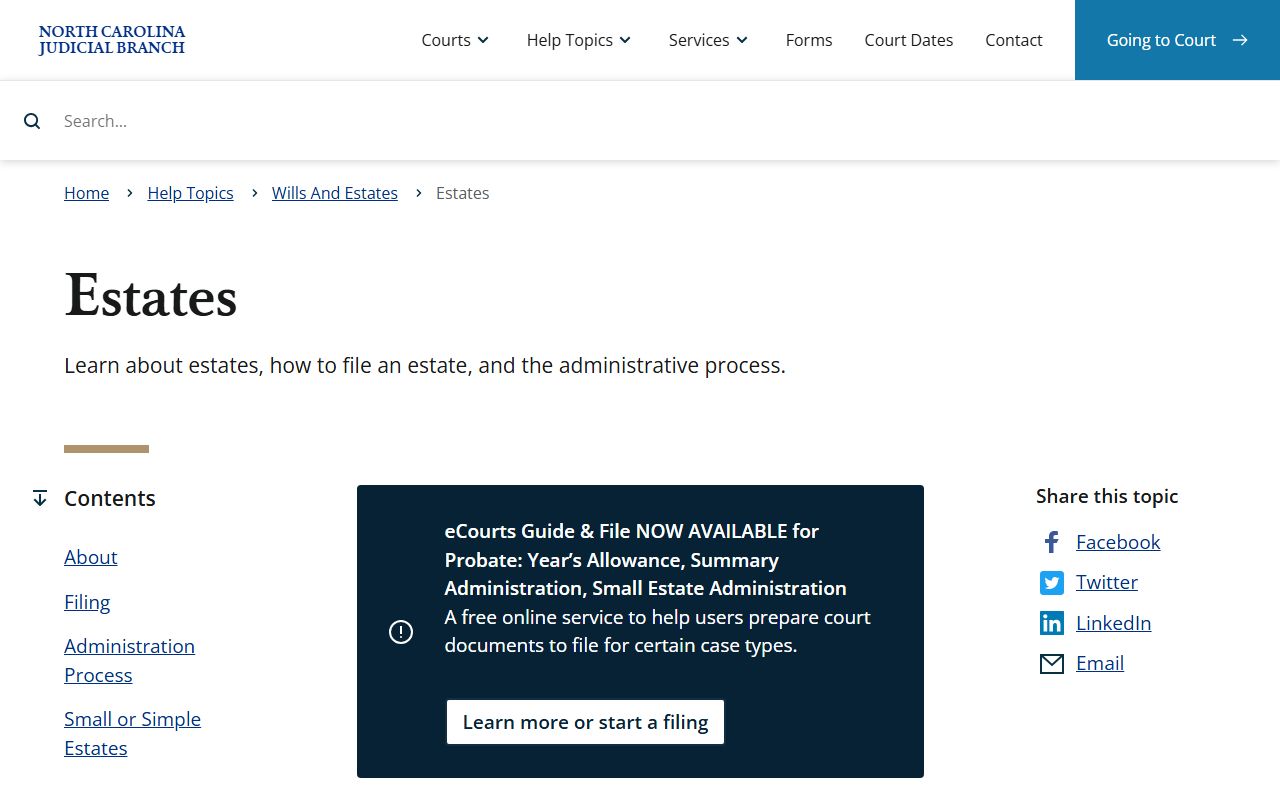
That state help source is useful for roles and process, while the Nash County Clerk of Superior Court remains the local filing and copy office.
Nash County Probate Terms
Estate files use terms that are precise but easy to confuse. These definitions help separate the person who died, the person named to act, and the type of court file being searched.
- Testator
- The person who made a will.
- Executor
- The person named in a will to carry out estate duties after appointment.
- Intestate
- Dying without a valid will, so distribution follows North Carolina law.
- Administrator
- A person appointed when there is no executor able to serve.
- Guardianship
- A special proceeding involving legal authority for a minor or an incapacitated person, subject to access limits.
- Conservatorship
- A protective arrangement for property or financial affairs, often tied to restricted records.
Search Nash County Probate Records
The online starting point is the NC eCourts Portal. Smart Search includes Estates and Special Proceedings as advanced filtering categories for nonconfidential case information. Portal searching may show a case summary or index-level information, but it is not the same as having a certified will, letters, inventory, or accounting from the clerk.
- Use Smart Search in the NC eCourts Portal and open Advanced Filtering Options.
- Select Nash County as the location when that filter is available, then choose Estates or Special Proceedings if the search goal is an estate file.
- Search by decedent name, party name, or case number. If the case number is partial, Portal training supports at least four characters followed by an asterisk.
- Review public case information, then contact the Nash County Clerk of Superior Court for official copies or documents not shown online.
- For mail requests, include the decedent name, date of death, estate file number if known, document requested, and requester contact information.
Note: Confidential guardianship, sealed, mental health, and protected personal information may not appear in public probate searches.
Nash County Estates Division Contact
Nash County does not have a separate probate court. The Estates Division is a Clerk of Superior Court function at the main courthouse in Nashville. Use this office for estate filing, will probate, estate case copy requests, and questions about older or non-digitized estate records.
Estates Division of the Clerk of Superior Court
Nash County Courthouse
234 W Washington St
Nashville, NC 27856
(252) 220-3000
Monday 8:30 AM-12:30 PM and 1:30-5:00 PM; Tuesday 8:30 AM-12:30 PM and 1:30-5:00 PM; Wednesday 8:30 AM-12:30 PM and 1:30-5:00 PM; Thursday 8:30 AM-12:30 PM and 1:00-5:00 PM; Friday 8:30 AM-12:30 PM and 1:30-5:00 PM
Nash County Probate Fees
The Nash research file did not locate an official local estate fee schedule. Probate filing costs can change by statute and by document type, so fee claims should come from the current NC court costs schedule or the Nash County Clerk before filing. The fee table below records only what the source set supports.
| Probate item | Amount or rule |
|---|---|
| Original probate or estate filing | Confirm with Nash County Clerk of Superior Court |
| Letters testamentary or letters of administration | Confirm with Nash County Clerk of Superior Court |
| Certified estate copy | Confirm with Nash County Clerk of Superior Court |
| Small estate affidavit filing | Confirm with current official forms and clerk fee schedule |
| Online Portal search viewing | Public search access is available, but copies and certifications may require fees |
The official decedents estate procedures pamphlet provides statewide estate procedure guidance.
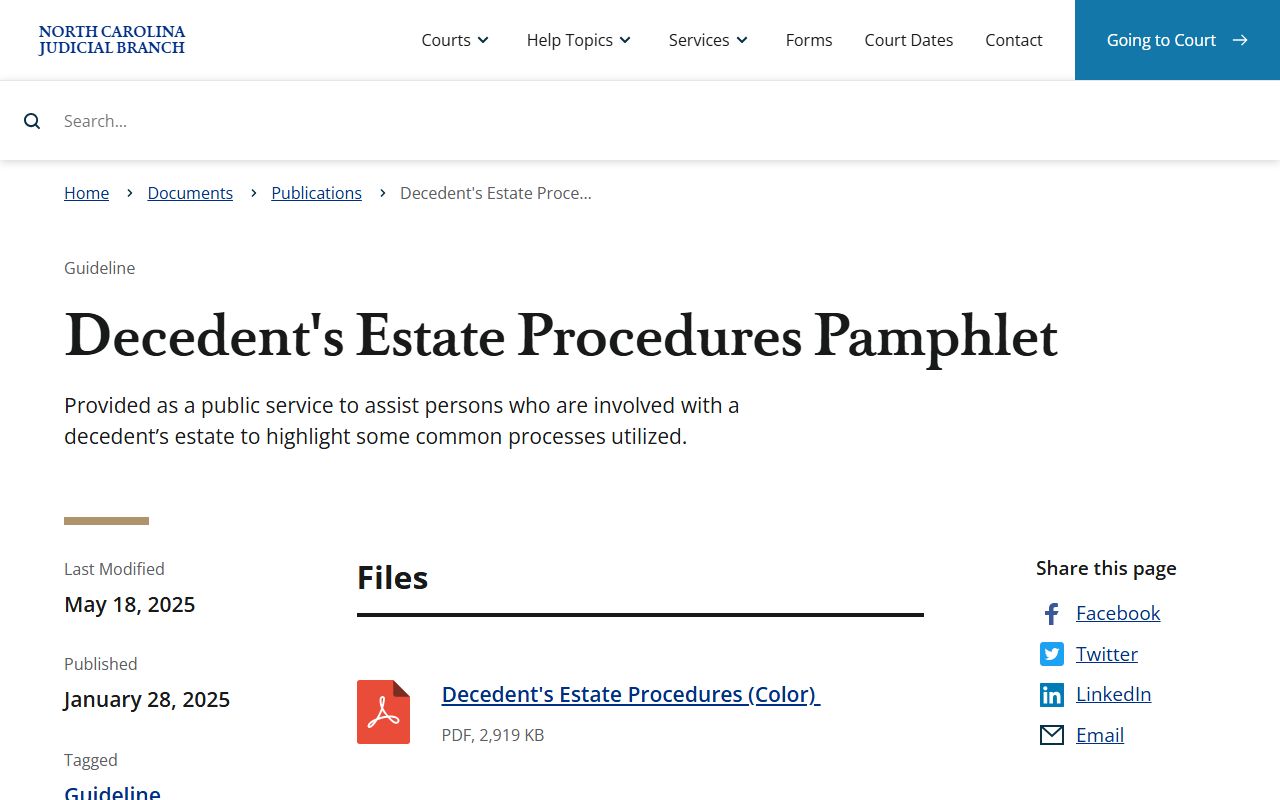
Use the pamphlet for process terms, then confirm the filing fee and required form version with the Nash County Clerk.
Nash County Small Estate Records
Small estate affidavits can simplify some estates, but the limits are specific. The research source notes that for a decedent dying on or after October 1, 2009, personal property less liens and encumbrances must not exceed $20,000. If the surviving spouse is the sole heir or devisee, the limit is $30,000. At least 30 days must have passed since death, and no application or petition for appointment of a personal representative may be pending or granted in any jurisdiction.
For deaths on or before September 30, 2009, the source notes lower limits: $10,000 generally and $20,000 for a surviving spouse who is sole heir or devisee. Because estate thresholds can be statute-dependent and form-dependent, use current official estate forms before filing.
| Small estate question | Research-supported rule |
|---|---|
| Death on or after 10/1/09 | Personal property less liens/encumbrances must not exceed $20,000. |
| Surviving spouse sole heir/devisee after 10/1/09 | Limit is $30,000. |
| Waiting period | At least 30 days must have passed since death. |
| Pending representative appointment | No application or petition may be pending or granted in any jurisdiction. |
Nash County Probate Record Contents
A Nash County estate file can be narrow or broad. A simple will probate may focus on proving the will and issuing authority. A full estate administration file can grow with creditor notices, claims, inventories, annual and final accountings, receipts, waivers, and distribution records. Real property and personal property descriptions may appear when they are part of the estate filing.
The Nash County Permitium vital records portal is assigned in the probate manifest because death certificates and estate work often meet in practice, although death certificates are vital records rather than probate court files.
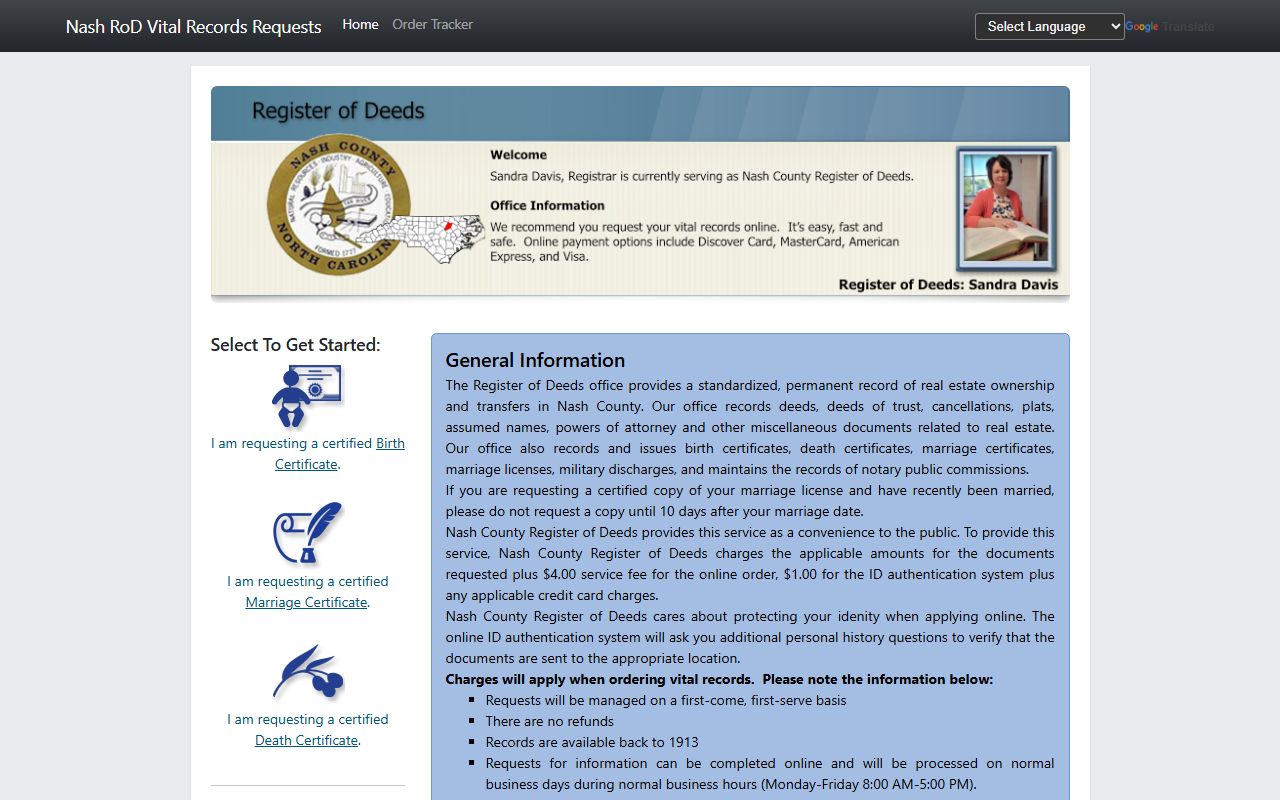
Use the Register of Deeds or vital-records order process for death certificates, and use the Estates Division of the Clerk for probate filings and estate case records.
The Nash Register of Deeds eSearch can help with related recorded instruments, but it does not replace an estate file search through the clerk.
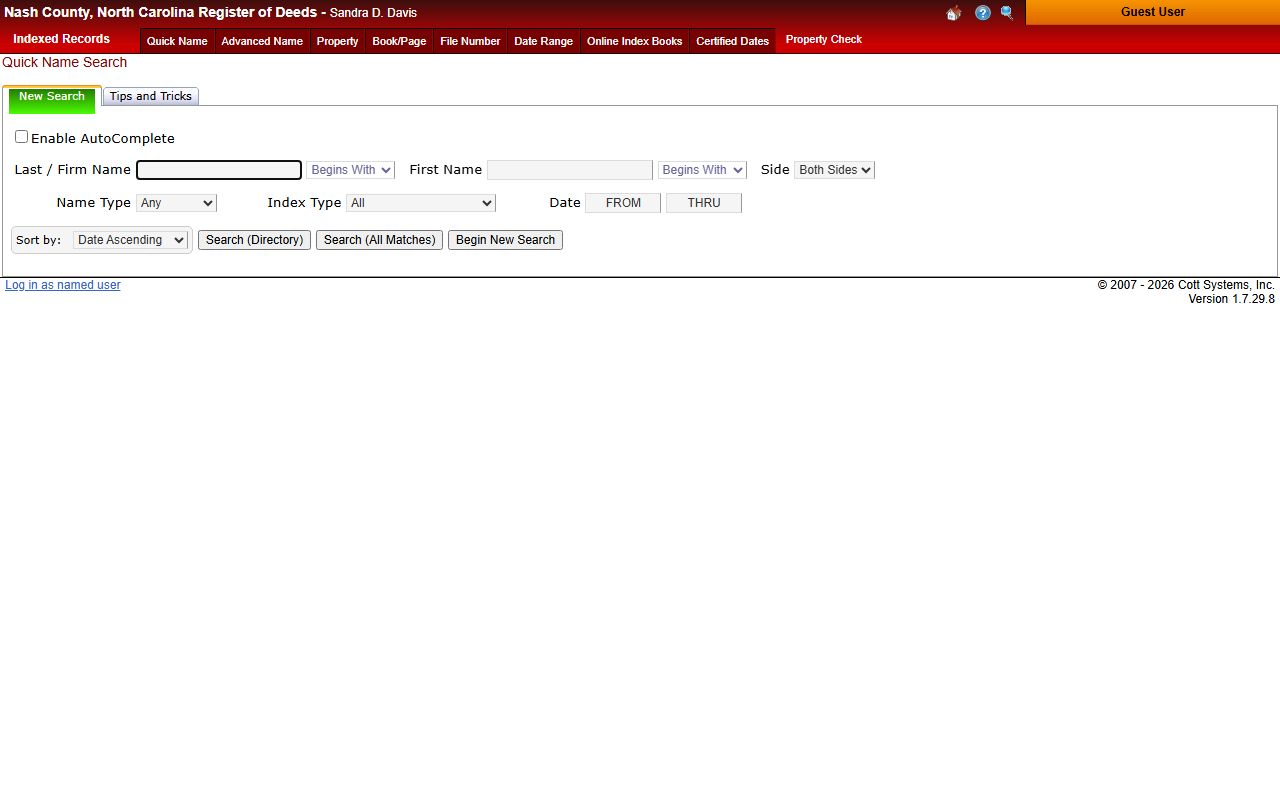
Estate research may require both offices when a decedent owned land, but the probate record itself remains with the Clerk of Superior Court.
Restricted Nash County Probate Records
Most estate administration files are public in the ordinary sense, but not every filing connected to an estate or special proceeding is open. Guardianship, conservatorship, mental health, protected personal identifiers, sealed filings, and records involving minors may be limited by law or court order. The NC eCourts Portal category itself is limited to nonconfidential special proceedings and estates.
For an older file, a sealed item, or a document missing from Portal, contact the Nash County Clerk of Superior Court. Ask for the estate file by decedent name and estate number if known. If the document is restricted, the clerk can identify whether a court order, party status, or other authority is needed before access can be granted.